Skip to data content

Avlys Data / Off-the-shelf · Custom · Annotation

AI training data.
Built for your task.

Avlys Data is Avlys AI’s AI training-data service for AI and robotics teams. The current OTS catalogue describes image, audio and video options; text and document work is custom-scoped. Collection, preparation and annotation are agreed around the model task before a pilot.

Task-specific scope Pilot before scale Documented delivery

Concept illustrations, not dataset samples. Text and document work is scoped separately from the OTS catalogue. Explore AI training data, collection & annotation.

Off-the-shelf AI training data

Avlys OTS Data

Compare image, audio and video reference collections by coverage, formats and task. Fit, availability and permitted use are confirmed for each brief.

15 reference optionsImage · Audio · VideoAvailability confirmed on request

Image datasets

Explore photographs, satellite imagery, historical characters and rendered scenes for computer vision and multimodal AI.

Suggested searches

Search collection names, formats, coverage and tasks. Refinements combine to narrow the options shown.

6 of 6 image datasets

Photography + detailed captions

Reference option

Detailed image captions

Real photographs paired with detailed descriptions for testing how precisely vision-language systems understand a scene.

Reference collection scope15,000 captioned images

Objects, spatial relationships and scene details

  • Image captioning
  • Vision-language evaluation
Dataset specifications for Detailed image captions
Formats & labels
JPEG images; JSONL descriptions and metadata. Detailed image descriptions and published split identifiers.
Fit & scope
Natural photographs rather than infographics. Keep training and evaluation splits separate.

Satellite imagery

Reference option

Satellite land-cover images

Labelled Sentinel-2 patches for land-use and land-cover classification, with RGB and multispectral versions.

Reference collection scope27,000 images · 10 classes

13 spectral bands in the multispectral release

  • Land-cover classification
  • Remote sensing
Dataset specifications for Satellite land-cover images
Formats & labels
RGB image and multispectral archives. Land-cover class labels and georeferenced imagery.
Fit & scope
Satellite patches, not street-level images or a current global map.

Apparel classification

Reference option

Apparel classification images

Small grayscale clothing images with category labels for lightweight vision baselines and model comparisons.

Reference collection scope70,000 images · 10 classes

28 × 28 pixels · 60,000 train / 10,000 test

  • Image classification
  • Baseline benchmarking
Dataset specifications for Apparel classification images
Formats & labels
Compressed IDX image and label files. One apparel class per image.
Fit & scope
A low-resolution benchmark, not full-resolution product photography or object-detection data.

Synthetic visual reasoning

Reference option

Synthetic visual reasoning

Rendered arrangements of geometric objects with questions, answers and structured scene information.

Reference collection scopeSynthetic scene benchmark

Shape, colour, material, count and spatial relations

  • Visual question answering
  • Compositional reasoning
Dataset specifications for Synthetic visual reasoning
Formats & labels
Rendered images; JSON questions and scene information. Question–answer pairs; scene graphs where supplied in the release.
Fit & scope
Rendered scenes, not natural photographs or specialist diagrams.

Historical character recognition

Reference option

Historical Japanese characters

Cropped historical Japanese characters for recognition experiments, based on digitised books.

Reference collection scope70,000 images · 10 classes

28 × 28 grayscale characters

  • Character recognition
  • Historical OCR baselines
Dataset specifications for Historical Japanese characters
Formats & labels
MNIST-format and NumPy archives. Character class labels and a class mapping.
Fit & scope
Isolated characters, not full-page documents. The stated scope covers this reference collection only.

Museum & natural-history imagery

Reference option

Cultural & scientific imagery

Art, cultural objects and natural-history imagery with collection metadata for visual search and research.

Reference collection scopeCollection, not a fixed training set

Art, cultural objects and natural-history material

  • Collection search
  • Visual heritage research
Dataset specifications for Cultural & scientific imagery
Formats & labels
Item-specific media and collection metadata. Museum descriptions; task-specific labels would need to be scoped.
Fit & scope
An item-level selection, not a fixed training set. Image resolution, metadata and task-specific annotation needs vary.

From selection to specification

Need more than an off-the-shelf dataset?

Bring your language, domain and acceptance criteria. We’ll assess what fits, what needs preparation, and what calls for custom collection.

Scope a data pilot

Ways to work together

Your brief. The right starting point.

01

Explore Avlys OTS Data

Compare data types, coverage and formats. Request a quote for your selected collection and evaluate a sample once availability is confirmed.

Discuss the scope
02

Collect to your brief

Need a specific language, environment, or edge case? Define the capture requirements and start with a scoped pilot.

Discuss the scope
03

Annotate & review

Already have authorized data? Agree on labels, transcripts, review criteria, and correction terms before work begins.

Discuss the scope

From requirement to delivery

Start small. Set the standard.

Agree on what a useful batch looks like before expanding the project. The pilot establishes the task, review process, and delivery expectations.

  1. 01

    Define the task.

    Specify the use case, coverage, labels, and permitted use. Confirm feasibility before committing.

  2. 02

    Calibrate a small batch.

    Start with a small paid calibration batch against the agreed labels. Review real output and resolve edge cases before setting the production quality bar.

  3. 03

    Review together.

    For custom annotation, a second pass independently scores the work against a held-out gold set. Record agreement, defects, and corrections before delivery.

  4. 04

    Scale what works.

    Use the accepted pilot to plan production batches, versioned delivery, and any further review.

The delivery conversation

Files & schema Review criteria Usage terms & rights Known limitations

The delivery checklist

Know what
you’re accepting.

Useful data comes with context. Agree on these deliverables in your project scope so your team can inspect, integrate, and evaluate the result.

Plan your first batch
Files & manifest
Accepted units, stable IDs, file formats, and the agreed folder structure.
Labels & schema
Field definitions, annotation guidelines, examples, and version notes.
Coverage & splits
Relevant language, domain, or capture metadata and agreed evaluation splits.
Quality findings
Review method, checked sample size, defect categories, and corrections.
Usage terms & rights
Applicable permissions, permitted uses, and restrictions.
Known limitations
Coverage gaps, ambiguous labels, exclusions, and intended use boundaries.
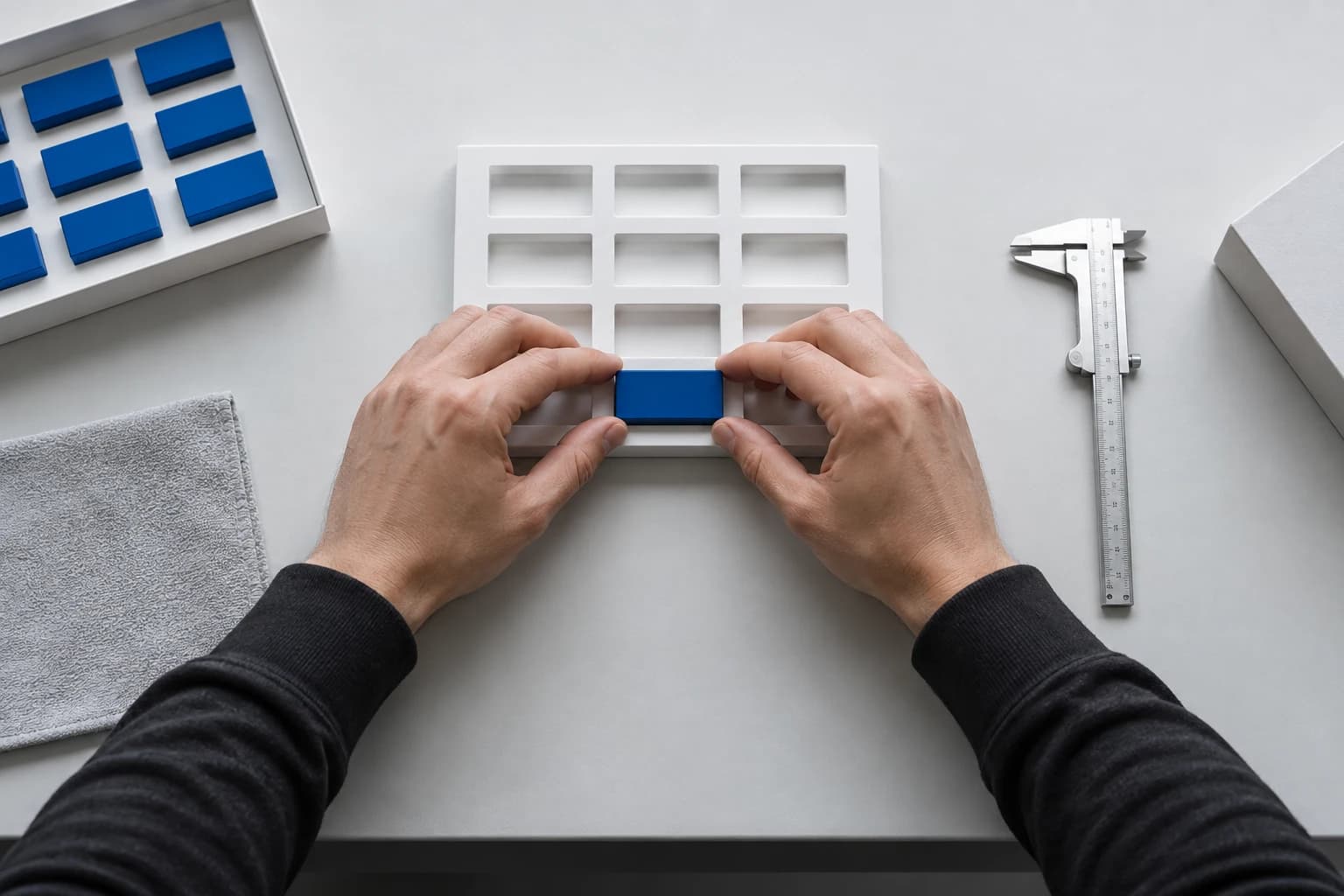
Concept illustration of first-person manual inspection: hands placing a blue component in a white tray.CAPTURE SCOPE / TO AGREE
  • Task & episode boundaries
  • Camera position & recording conditions
  • Available sensors & annotation needs

Concept illustration. No sample footage displayed.

Egocentric video / pilot

A first-person view.
A focused pilot.

Explore task-based capture for robotics and embodied-AI research alongside our text, image, and voice work. Begin with one environment and a clear capture protocol.

Human first-person video is different from robot action trajectories. Camera setup, sensors, labels, and suitability for your pipeline need to be confirmed in the pilot scope.

Discuss a capture pilot

The people behind Avlys

Inside our office.
Close to the work.

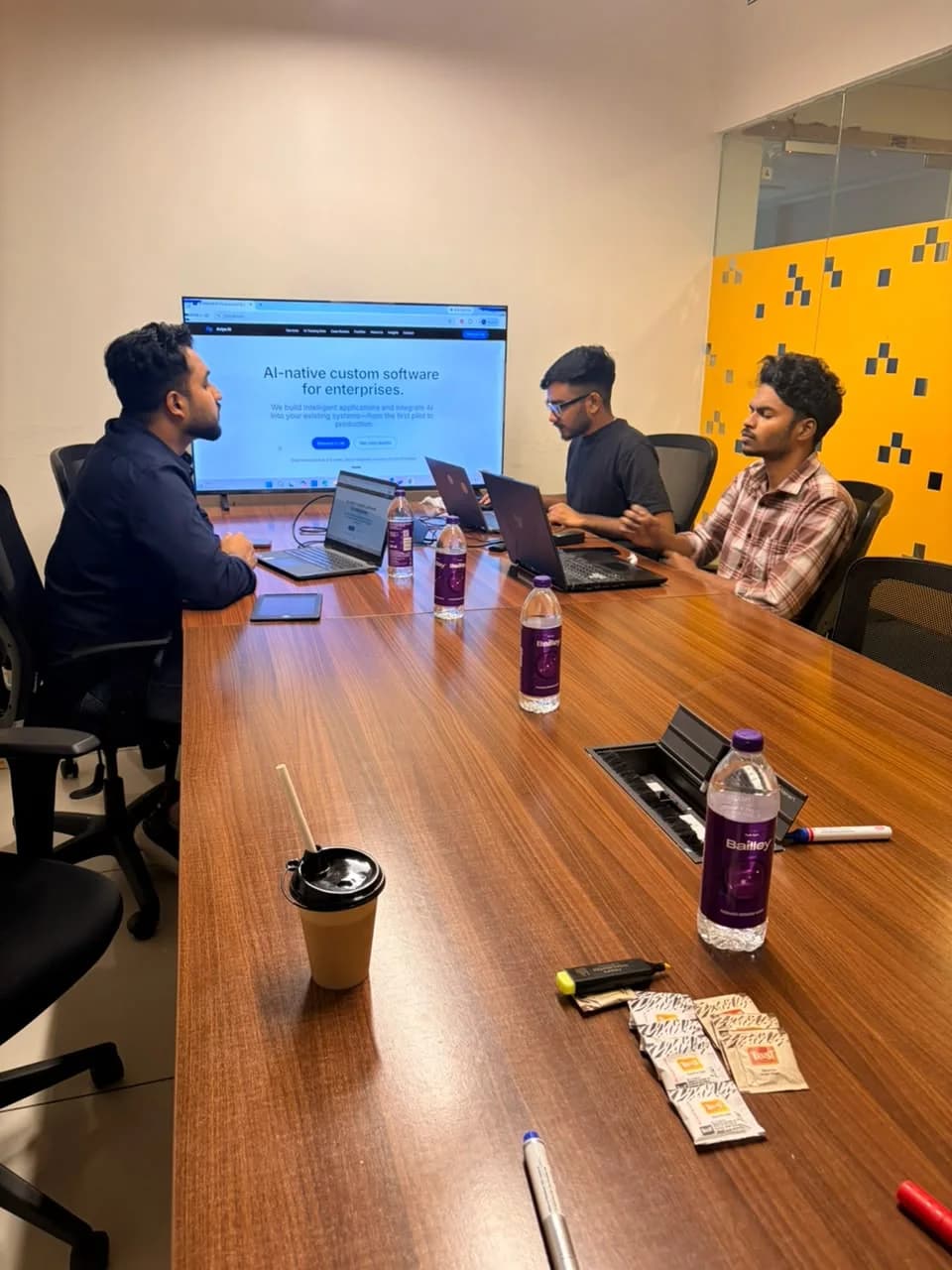
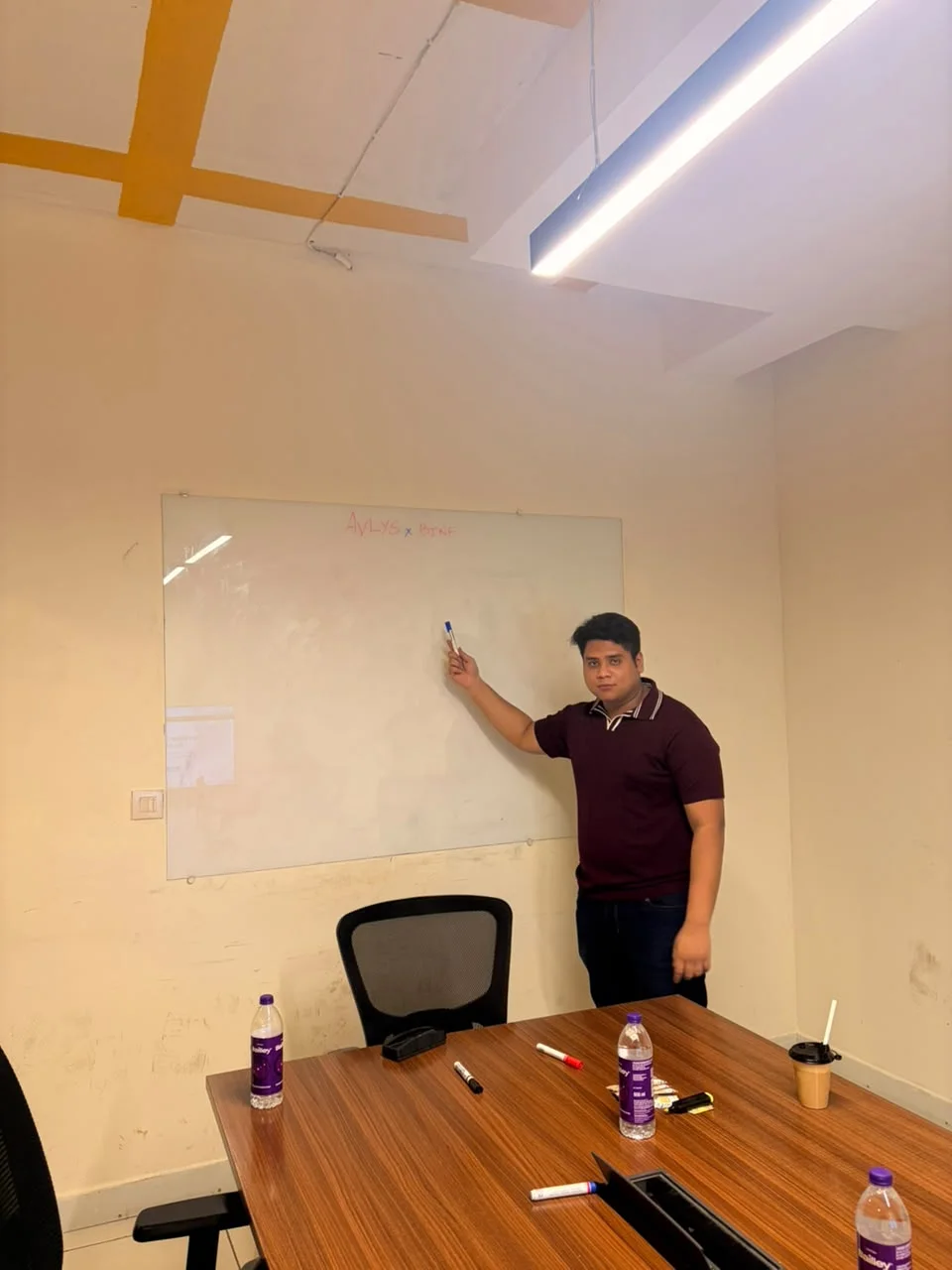
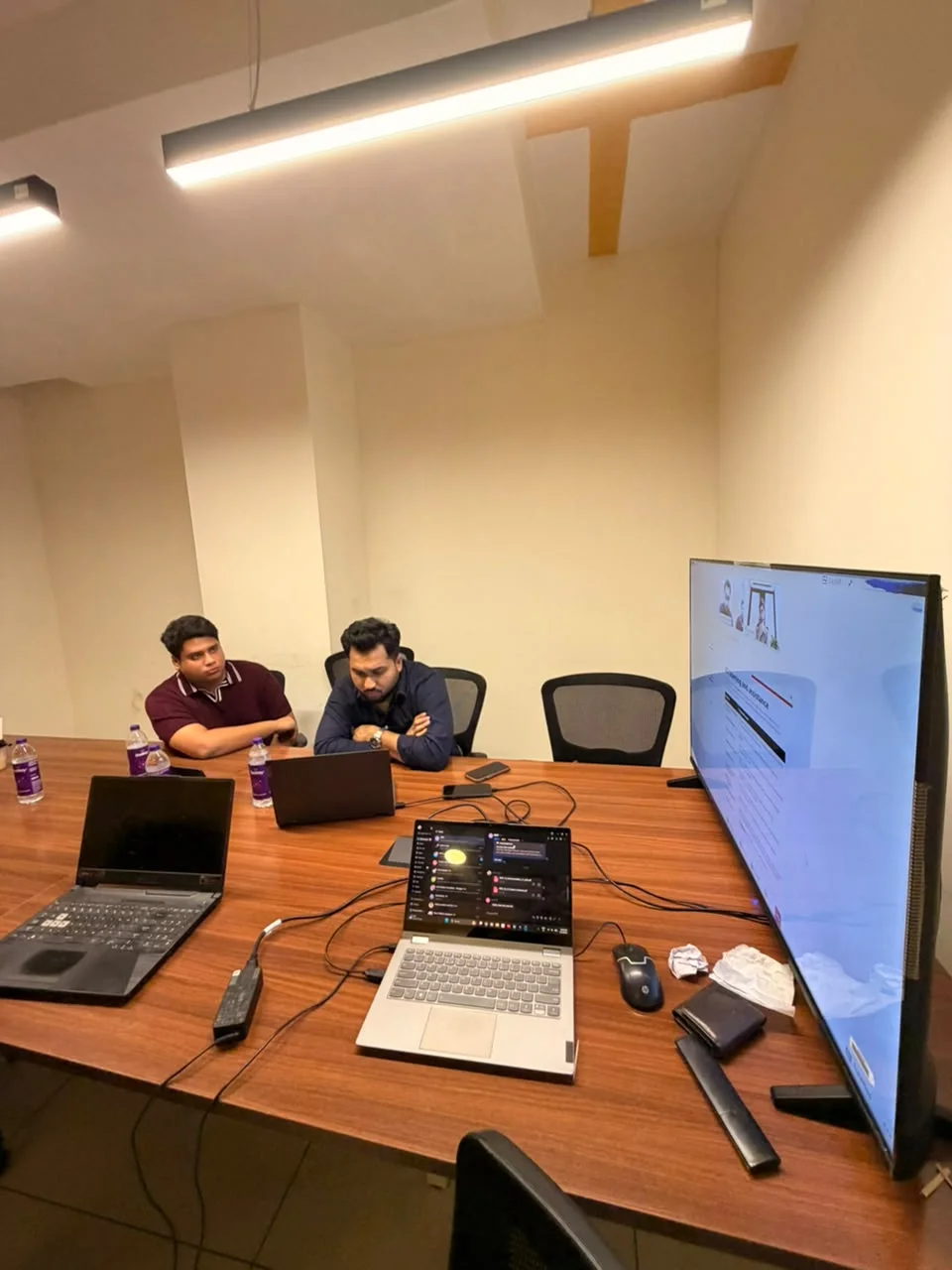
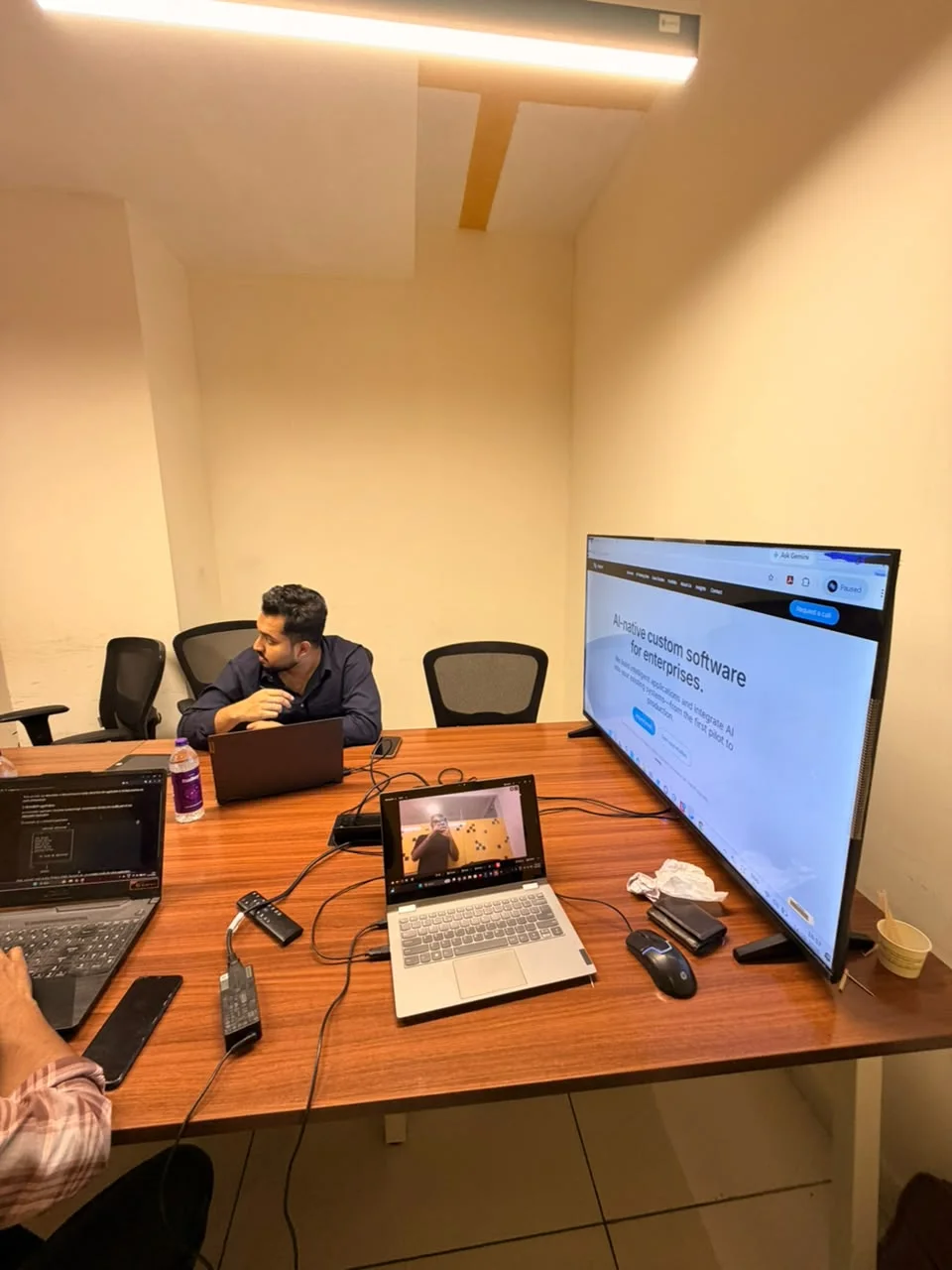
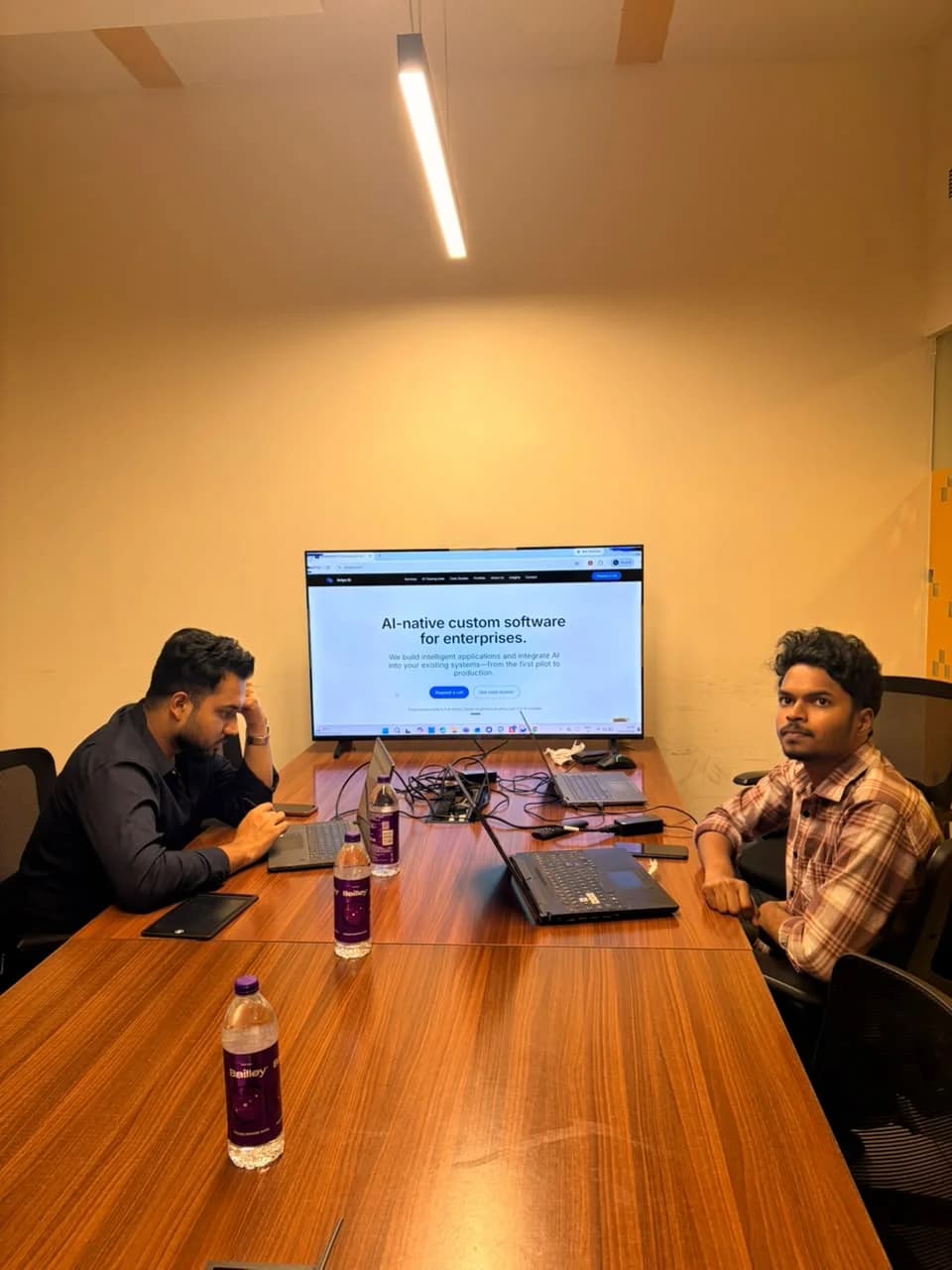
Our accountable core data team handles collection, cleaning, annotation, and review for Avlys Data projects. The gallery shares real moments from our office, including whiteboard discussions and working sessions.

Avlys team members discussing work around a conference table, with the Avlys website on the room display.
Around the table at Avlys.
An Avlys team member at the office whiteboard during a planning session.
Working through ideas together.
Two Avlys team members working at laptops in the meeting room.
A working session.
The Avlys workspace with laptops, a shared display, and a team member at the table.
Our shared workspace.
Avlys team members at the office conference table with their website displayed behind them.
Back around the table.
A moment in the office. 2-second silent clip.

Avlys AI works from Hyderabad and Bengaluru, India, with teams globally. Data project scope and delivery arrangements are agreed for each brief.

Get to know the Avlys team

Buyer questions, answered

Clarity before
commitment.

From the first sample to accepted delivery: what to ask, what to check, and what to agree on.

Have a different question?

Choosing the right data

What is Avlys Data?

Avlys Data is Avlys AI’s AI training-data service for AI and robotics teams. The current OTS catalogue describes image, audio and video options; text and document work is custom-scoped. Collection, preparation and annotation are agreed around the model task before a pilot.

What does off-the-shelf (OTS) training data mean?

OTS means an existing collection considered for your task, rather than a new collection built entirely to your brief. Avlys OTS Data describes image, audio and video options and the preparation they may need. Confirm coverage, formats, availability and applicable usage terms before agreeing on supply. Custom text and document work is scoped separately.

Does Avlys offer text and document training data?

Yes. Avlys scopes custom text and document training data to your model task. Work may include collection or preparation, cleaning, deduplication, normalization, PII handling, chunking and metadata for retrieval-augmented generation (RAG), or instruction/response formatting for fine-tuning. Agree on the output schema, quality checks and permitted use before work begins. Text and document work is custom-scoped, separate from the current off-the-shelf image, audio and video catalogue.

Who collects and annotates Avlys Data projects?

Avlys’s accountable core data team handles collection, cleaning, annotation, and review. Annotation work starts with a small paid calibration batch against agreed guidelines, so edge cases can be resolved before a larger run. If a project needs specialist expertise the team does not have, Avlys says so before confirming scope.

Should I use an existing dataset or commission a custom collection?

An existing collection is useful when its task, language, environment, labels, and usage rights match your needs. Custom collection is worth considering when those details do not fit. If you already have authorized source data, annotation and review may be the better starting point. Share the requirement so we can assess the options and availability.

Can I review or download a sample before committing?

The Avlys OTS Data catalogue shows descriptions, not downloadable files. Tell us which collection fits your task. We will confirm availability, the requested selection and evaluation arrangements before agreeing on a first batch.

How much training data do I need?

There is no single record count that works for every model. It depends on the task, starting model, variation in real use, and performance you need to measure. Begin with representative examples and a separate evaluation set, identify the failure cases, and use the pilot results to decide whether more data or better coverage is needed.

Can you support specific languages, accents, or rare scenarios?

The current audio options include multilingual read speech and Indian-language speech, including Hindi, Bengali, Tamil, Telugu, Marathi, and others. Specify the language and locale, accent, speaking style, recording conditions, and edge cases so coverage, transcript detail, feasibility, and availability can be confirmed for your brief.

Quality & evaluation

How should we evaluate annotation quality?

Agree on labeling instructions, examples, error categories, and an acceptance threshold for the task. A pilot can then be reviewed against an agreed reference set. Depending on the task, checks may include reviewer agreement, transcript error rates, label precision and recall, or format validation. Agreement alone is not proof of correctness, and a single accuracy percentage does not describe every dataset.

What happens if labels or files do not meet the specification?

Define how defects are reported, which items are re-reviewed, and what correction or replacement is included before production begins. The pilot is the place to resolve ambiguous instructions and test acceptance. Rework scope, review windows, and commercial terms should be written into the project agreement rather than assumed after delivery.

How do you address bias, duplicates, and evaluation leakage?

Start with the situations the model will encounter and specify coverage across relevant languages, environments, and categories. Agree on duplicate checks and separate training and evaluation data by the appropriate unit, such as speaker, source document, or capture session. Review gaps and known limitations with the pilot. No dataset can be promised to be universally bias-free.

Does Avlys offer synthetic AI training data?

Not as a confirmed Avlys-generated stock offering. The current OTS catalogue describes rendered visual-reasoning images and synthetic multi-view video as reference options; it does not represent Avlys-generated files or confirmed inventory. For custom synthetic data, share the modality, scenario coverage, output schema and intended use so feasibility, permitted use and scope can be confirmed. Evaluate generated examples against real-world data before use.

Rights & data handling

What usage rights come with a dataset?

Your quote and delivery agreement confirm the intended use, applicable usage terms and restrictions before data is supplied. The Avlys OTS label describes a data option; by itself, it does not grant rights beyond the written terms. Any custom collection or exclusivity arrangement must be agreed separately.

What is included in an Avlys OTS Data quote?

The quote sets out the selected data, requested volume and any preparation needed: selection, deduplication, formatting, annotation, quality review and delivery documentation. Storage, transfer, evaluation arrangements and any additional work are specified before you proceed.

Can you work with confidential or personal data?

Describe the sensitivity and security requirements without sending underlying files through this page or an initial email. Before files are shared, agree in writing on the authorized purpose, access, storage location, transfer method, processing region, retention, deletion, and any required agreements. Avlys will assess the project against those requirements before confirming whether it can proceed.

Will our data be reused or sent to third-party AI providers?

Specify restrictions on reuse, model training, subprocessors, and external AI tools in the brief. Any proposed processing or access must be reviewed and agreed for the project before you share files. Buying annotation services does not by itself settle ownership, exclusivity, or reuse rights; these belong in the written terms.

Pricing & delivery

Does Avlys work with data buyers outside India?

Yes. Avlys AI works from Hyderabad and Bengaluru, India, with teams globally. Share your data task, region, language coverage and delivery needs. Processing location, access requirements, transfer arrangements and project feasibility are confirmed for your brief before work begins.

How is a data project priced? Is there a minimum order?

A quote depends on accepted units, collection difficulty, language or domain expertise, annotation depth, review, and usage rights. Units might be records, images, audio hours, or video episodes. Share an approximate volume and budget so pilot size, inclusions, minimum batch size, and pricing can be confirmed in your project quote.

How quickly can a pilot or full dataset be delivered?

Timing depends on whether suitable data already exists, collection permissions, contributor or reviewer availability, and annotation complexity. Confirm the specification and access requirements first, then agree on a pilot schedule. Larger deliveries should be planned around accepted batches and pilot findings rather than an unverified turnaround promise.

What files and documentation should we agree on?

Specify the file format and schema your pipeline expects, along with labels, IDs, metadata, and any training/evaluation split requirements. Depending on the task, formats to discuss include CSV or JSONL, COCO-style annotations, and audio with timestamped transcripts. Agree on a file manifest, labeling guide, quality findings, usage terms and rights notes, and known limitations before delivery.

Let’s start with the task

Tell us what
good data looks like.

A useful brief starts with the task, data format, language or domain, approximate volume, and timeline. We’ll use it to discuss feasibility and a first batch.

What happens next?

After you send the email, the next conversation covers fit, access requirements, and a scoped pilot or quote.

sales@avlysai.com

No files or sensitive data, please. This prepares an email; nothing is submitted through this page.